
Mini Split AC Repair in Delano, CA
Diagnosis and repair for ductless systems that won't turn on, won't cool or heat, or drip water from the indoor head.
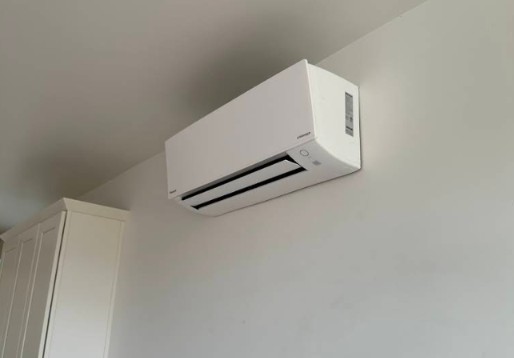
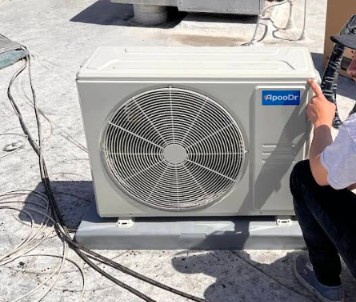
Delano HVAC handles mini split AC repair in Delano, CA for single-zone and multi-zone ductless systems, from wall heads in bedrooms and garage conversions to the outdoor units bolted to stucco walls. Tell us the brand, how many indoor heads you have and what the system is doing, and we'll set a visit. The technician finds the fault and gives you a written quote before any repair starts.
- Single-zone and multi-zone
- Delano 93215 & 93216
Ductless Systems We Repair in Delano
Most of the ductless systems we see in Delano went into homes that never had ducts, or into space the central system can't reach: downtown bungalows near Main and Jefferson, converted garages, room additions, and manufactured homes in communities like Cypress Gardens. We repair:
- single-zone systems, one indoor head paired with one outdoor unit
- multi-zone systems, two or more heads on a shared outdoor unit
- wall-mounted, floor-mounted and ceiling cassette heads
- mini splits used for heating as well as cooling
Brands we service include Carrier, Goodman, Lennox, Trane, Bryant, Daikin, Rheem, York and American Standard.
- Carrier
- Goodman
- Lennox
- Trane
- Bryant
- Daikin
- Rheem
- York
- American Standard
Mini Split Not Working? Symptoms and What We Repair
| Symptom | What's usually behind it | Repair |
|---|---|---|
| Not turning on, no beep from the remote | Tripped breaker or blown fuse at the outdoor disconnect, a failed indoor control board, a board damaged by a power surge, a loose communication wire | Power traced from the panel to the head, then the fuse, board or wiring replaced |
| Runs but isn't cooling | Low charge from a leak at a flare fitting, an indoor coil or blower wheel coated in dust, an outdoor coil matted with lint, a failed outdoor fan motor | Leak repaired and the system recharged by weight, coil or blower wheel cleaned, motor replaced |
| Blowing warm air in cool mode | Outdoor unit not starting because of a communication fault, an inverter board fault or a compressor protection trip; a reversing valve stuck in heat | Inverter board, valve coil or communication wiring repaired, compressor tested |
| Leaking water from the indoor head | Drain line or trap blocked with slime, a failed condensate pump, a head that has pulled off level, a coil icing and then melting | Drain cleared and flushed, pump replaced, head re-leveled, the icing cause fixed |
| Ice on the head or the copper lines | Low charge, blocked airflow at the head, a coil sensor reading wrong | Leak repair, airflow restored, sensor replaced |
| Blinking light or error code | The board has logged a fault in a sensor, the communication line, a pressure or temperature limit, or a fan motor | Code read against the maker's documentation, then confirmed with meter and gauge readings |
| One head dead, the others running | That head's board, fan motor or sensor; its communication wire; its expansion valve at the outdoor unit | Fault traced to that zone and repaired without opening the others |
| No heat on foggy winter mornings | Outdoor coil sensor, defrost control, reversing valve, low charge | Sensor or valve repaired, defrost operation checked |
| Weak airflow, specks or a sour smell from the vent | Clogged filters, a blower wheel caked with dust and mold, a slow fan motor | Head disassembled and the coil and blower wheel cleaned, motor tested |
| Breaker trips when the outdoor unit starts | Shorted compressor, failed fan motor, damaged disconnect or whip, inverter board fault | Electrical fault isolated and the failed part replaced |
| Grinding, rattling or a buzz | Worn fan bearings, a loose wall bracket, debris in the outdoor fan | Motor replaced, bracket re-secured, fan cleared |
The same symptom can start in the head, the outdoor unit or the wire between them, so we test both ends before quoting.
Mini Split Repairs We Handle, by Where the Fault Is
Indoor head
- Control boards and display boards
- Blower motors and blower wheels
- Room and coil temperature sensors
- Drain pans, drain lines and condensate pumps
- Louver motors that stop the vanes from swinging
- Deep cleaning of a coil and blower wheel that have grown mold
Outdoor unit
- Inverter and main control boards
- Fan motors and blades
- Compressor testing and replacement
- Reversing valves and defrost sensors on units that heat
- Disconnects, fuses and the power whip
- Coil cleaning when lint has packed the fins
Line set and refrigerant
- Leaks at flare connections, the most common leak point on a mini split
- Line set insulation cracked by years of sun on a south or west wall
- Kinked or crushed lines behind the wall or under a line cover
- Recovery, evacuation and recharge by weight to the maker's spec
Controls and communication
- The communication wire between the head and the outdoor unit
- Remotes, wired wall controllers and their receivers
- Zone addressing on multi-zone systems after a board is replaced
Error Codes and Blinking Lights
A blinking light or a code on the remote tells us which circuit the board flagged. It doesn't tell us which part failed. The same blink count can mean a sensor fault on one brand and a communication fault on another, so we read every code against that maker's service documentation and then confirm it with meter and gauge readings.
A code that returns after a reset means the fault is still there. In Delano, a run of board and communication codes after a summer outage on SCE's lines often points to surge damage rather than a worn part.
Single-Zone or Multi-Zone: How the Repair Differs
| Compared | Single-zone | Multi-zone |
|---|---|---|
| Typical Delano setup | One head in a garage conversion, an addition or a manufactured home | Heads in two to four bedrooms of an older house with no ducts |
| Where diagnosis starts | The head and the outdoor unit together | The outdoor unit first, because every head depends on it |
| What one fault can take down | The whole system | One head, or every head if the fault is in the outdoor unit |
| What adds time | Reaching a head mounted high or a unit on a wall bracket | Tracing which port, valve or wire belongs to the failed head |
| Effect on the quote | One set of parts and labor | Can include zone addressing and a check of every head after the repair |
How Delano's Heat, Dust and Fog Show Up in Mini Splits
-
June–September
Long summer run times.
From June into September, a mini split in a sun-facing room can run for most of the day. Inverter boards and outdoor fan motors take that strain, and they are common failure points after a long hot stretch.
-
Harvest season and Highway 99
Lint and harvest dust.
Cotton lint and dust from the vineyards and Highway 99 traffic mat the thin fins of the outdoor coil. Fine dust also slips past the head's filters and coats the blower wheel, which is where weak airflow and dark specks from the vent come from.
-
Tule fog mornings
Fog-season heating.
Many Delano mini splits heat as well as cool. On damp tule-fog mornings the outdoor unit runs defrost more often, so weak defrost sensors and sticking reversing valves show up in December, not July.
-
Year-round
How the units are mounted.
Outdoor units here often hang on wall brackets against stucco, with line sets running across a sunny exterior wall. Loose brackets cause rattles, and sun-cracked line insulation causes sweating lines and lost capacity.
What Affects the Cost of a Mini Split Repair
General estimate
As a general estimate, most mini split repairs land between a few hundred dollars and a couple of thousand. Compressor work and refrigerant repairs on multi-zone systems can run higher.
These are general estimates, not our prices. Actual pricing depends on the system and the fault.
What moves the price:
- Where the fault is. Clearing a drain or replacing a sensor is a smaller job than an inverter board or a leak repair with a recharge.
- Parts. Ductless boards and sensors are often specific to one brand and model, and some have to be ordered.
- Number of zones. Tracing a fault across several heads takes longer.
- Access. A head above a staircase, an outdoor unit on a second-story bracket, or a gated farm parcel off Pond Road all change the labor.
The written quote gives the exact figure before any work starts.
For actual prices, connect with our professionals.
Request a Mini Split Repair VisitYour Mini Split Repair Visit, in Order
- 01Reach out
- 02Set the window
- 03Arrival
- 04Diagnosis
- 05Written quote
- 06Repair, test, clean up
-
Reach out.
Contact us through the site or by phone and tell us:
- the brand and model, if you can read them on the head's side label
- how many indoor heads you have, and which one has the problem
- what it's doing, and any blinking light or code
- access details: ladder height to the head, a gate code, dogs, or an outdoor unit on a bracket or behind a fence
-
Set the window.
We agree on an appointment window and assign a technician from our Jefferson Street shop. For rural addresses around Delano, a cross street or map pin helps.
-
Arrival.
The technician checks in with you, hears what the system has been doing, and asks to see the remote or wall controller. Drop cloths go down under the head before any cover comes off.
-
Diagnosis.
The head, the outdoor unit and the link between them are tested: board voltages, sensor readings, the communication signal, refrigerant pressures and temperatures, and the drain. You see the readings that point to the fault.
-
Written quote.
Before any work, you get the repair, the parts, the labor, and whether each part is on hand or needs ordering. Nothing proceeds until you approve it.
-
Repair, test, clean up.
After the repair, the system runs in cooling and, if it heats, in heating mode, and every head on a multi-zone system is checked. The covers go back on and the work area is left clean.
Repair or Replace a Mini Split?
Repair usually makes sense when one part has failed on a system that otherwise holds temperature: a board, a sensor, a fan motor, a drain, or a leak at a reachable flare fitting.
- Board
- Sensor
- Fan motor
- Drain
- Flare-fitting leak
A replacement conversation makes sense when the compressor has failed on an older system, when leaks keep returning, or when the heads have never kept the rooms comfortable through a Delano August.
- Failed compressor
- Repeat leaks
- Never kept up in August
If repair doesn't make sense, the technician explains your options and the choice stays with you. If replacement is the better route, here is what planning a new ductless system involves.
Permits, Refrigerant and Licensing for Mini Split Repairs
-
Permits.
Board, sensor, motor, drain and flare-leak repairs don't need a permit. Replacing an outdoor unit or an indoor head is an equipment change under California's Energy Code (Title 24), which needs a mechanical permit from the City of Delano, or from Kern County outside city limits. If your repair reaches that point, the permit appears on the quote.
No permitBoard, sensor, motor, drain, flare leakMechanical permitNew outdoor unit or indoor head -
Refrigerant.
Only EPA Section 608-certified technicians open the circuit, and refrigerant is recovered, not vented. Mini splits running R-410A can still be repaired and recharged. Newer units use A2L refrigerants such as R-32 or R-454B, which have their own handling rules.
-
Licensing.
California requires a CSLB-licensed contractor for HVAC jobs over $1,000 and for any job that needs a permit.
Urgent Breakdowns and Ducted Heat Pumps
If a mini split quits during a heat wave, trips its breaker again after a reset, or smells like it's burning, use the ductless breakdown service instead of booking a standard repair.
A ducted or central heat pump is a different system. For that, see repair for ducted heat pumps or the full range of heat pump work.
Mini Split Questions We Hear From Delano Homeowners
01
Why does my mini split run for a few minutes, then shut off and start blinking?
The board has stopped the system to protect it and logged a fault. Common causes are a coil or room sensor reading out of range, a communication drop between the head and the outdoor unit, or a pressure or temperature limit from low charge or a lint-packed outdoor coil. We read the code against the maker's documentation, then test the part it points to.
02
Why is my mini split leaking water down the wall?
The condensate isn't leaving the head. Usually the drain line or its trap is blocked with slime, the condensate pump has failed, or the head has pulled slightly out of level on its mounting plate. A coil that ices and melts can also overflow the pan. We clear and flush the drain, check the pump and float switch, and re-level the head if it has shifted.
03
Why does my mini split blow warm air when it's set to cool?
The head is moving air but the outdoor unit isn't doing its part. A failed inverter board, a communication fault, a compressor that has tripped on its protection, or a reversing valve stuck in heat mode can all cause it. A low refrigerant charge can also leave the air barely cool. We check the outdoor unit first, since that's where most of these faults sit.
04
My mini split remote has power, but the unit does nothing. What's wrong?
If the head doesn't beep or light up, the signal isn't reaching a working board. The receiver on the head, the indoor board, a blown fuse or a tripped breaker at the outdoor disconnect are the usual suspects. On systems with a wired wall controller, the controller wiring is checked too. Replacing the remote rarely fixes it.
05
Why are black specks coming out of my mini split vent?
That's usually mold and dust built up on the blower wheel inside the head. In Delano's dusty summers, fine dust gets past the filters, sticks to the damp wheel and grows. Wiping the vanes won't reach it; the head has to be partly taken apart so the wheel and coil can be cleaned properly.
06
Why does my mini split stop heating on foggy winter mornings?
On damp mornings the outdoor coil frosts over faster, and the unit has to defrost more often. If a defrost sensor, the outdoor coil sensor or the reversing valve is weak, the system can get stuck in defrost or blow cool air. Low refrigerant shows up this way too. We test the defrost cycle and the valve in heating mode.
07
Can a power outage damage a mini split?
It can. Inverter mini splits rely on electronic boards, and a surge when SCE power drops and comes back can damage them. The usual signs are a dead head, a code that wasn't there before the outage, or an outdoor unit that won't start. We check the boards and fuses, and the wiring between the units.
08
Is it worth repairing an R-410A mini split now that new ones use a different refrigerant?
In most cases, yes. R-410A systems can still be legally repaired and recharged, and parts remain available for most brands. The refrigerant change mainly affects new equipment. Whether a given repair is worth it depends on the system's age and what failed, and the written quote helps you weigh that.
09
Do you repair mini splits in manufactured homes?
Yes, including homes in Cypress Gardens and other parks around Delano. Mini splits on manufactured homes often have the outdoor unit on a pad beside the skirting and line sets running under the floor or along the siding, so we check those runs for damage as part of the diagnosis.
10
Why does ice form on the copper lines outside my mini split?
Ice on the lines means the refrigerant is getting colder than it should, usually from low charge after a leak, or from too little air moving across the indoor coil because of a dirty blower wheel or filters. A failing coil sensor can do it too. We find and fix the cause; thawing the ice alone doesn't solve it.
Get Your Mini Split Working Again in Delano
Tell us what your mini split is doing and how many heads you have. We'll set the visit, find the fault, and give you a written quote before any repair. We cover Delano and nearby Kern County towns.
- Set the visit
- Find the fault
- Written quote first
